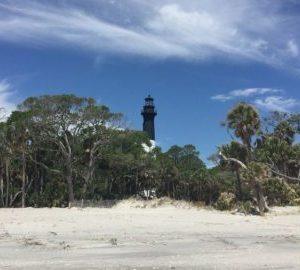
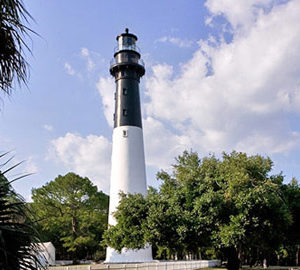
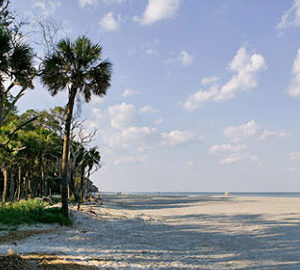
For excellent shelling opportunities, visit Hunting Island State Park!

When:
Check the tide schedule for an early morning low tide for optimal results. The best time to search for shells is during an outgoing tide when the receding water leaves shells on the beach. Preferably, go in the morning or after a storm. Rough waters following a storm can dislodge and wash a wider variety of shells onto the shore. This timing allows you to find a variety of shells, including Angel Wings, Clams, Atlantic Cockles, Pear Whelks, Conchs, Florida Augers, jingle shells, olive shells, and the South Carolina state shell, the black olive.
Tips for Finding Shells:
Concentrate your efforts on the tide lines (water lines), shell beds, and areas around jetties. Focus on shell beds along the tide lines, especially near seawalls or jetties. Remember to collect only empty shells, as taking live sand dollars is illegal.
Be Patient: Start at the high tide line and walk down toward the water, looking for shell beds or clusters of broken shells, which often indicate whole shells nearby.
Types of Shells to Find:
- Bivalves: Angel Wings, Clams, and Atlantic Cockles.
- Gastropods: Pear Whelks, Ram’s Horns, Conchs, and Florida Augers.
- Other: Black Olive shells (the state shell), jingle shells, and Shark’s Eye shells.
- Specialty: Look for holes in shells, as they are created by snails feeding on the insides of other shells.
Rules and Regulations:
- No Live Animals: It is illegal to collect live sand dollars or any other live animals from the beach.
- Be Mindful of Your Surroundings: The jetties can be dangerous due to oysters and barnacles.