There’s something undeniably nostalgic about fireflies, those tiny, twinkling lights drifting through warm summer evenings.

The state is home to at least 26 species of these fascinating insects, also known as lightning bugs. Their bioluminescent glow varies in color, depending on the species, adding to their mysterious charm. While some species have adapted well to living near people, others are in decline due to habitat development. Still, fireflies remain what scientists call a “charismatic” insect, they are easily recognizable and widely beloved, a rare blend of science and sentiment flickering through the dusk.
Fireflies live all over the world, on every continent except Antarctica, thriving in environments ranging from tropical rainforests to temperate woodlands. In the U.S., they’re especially common east of the Mississippi, where they light up parks, gardens, meadows, and forest edges from Florida to southern Canada. Their habitats also support their diets: as larvae, fireflies are tiny but fierce predators, feeding on snails, worms, and slugs, which they paralyze with a numbing chemical before eating. As adults, their diets vary. Some sip nectar or nibble on pollen from blooming flowers, others prey on fellow fireflies, and some don’t eat at all.
Despite their name, fireflies aren’t flies at all.
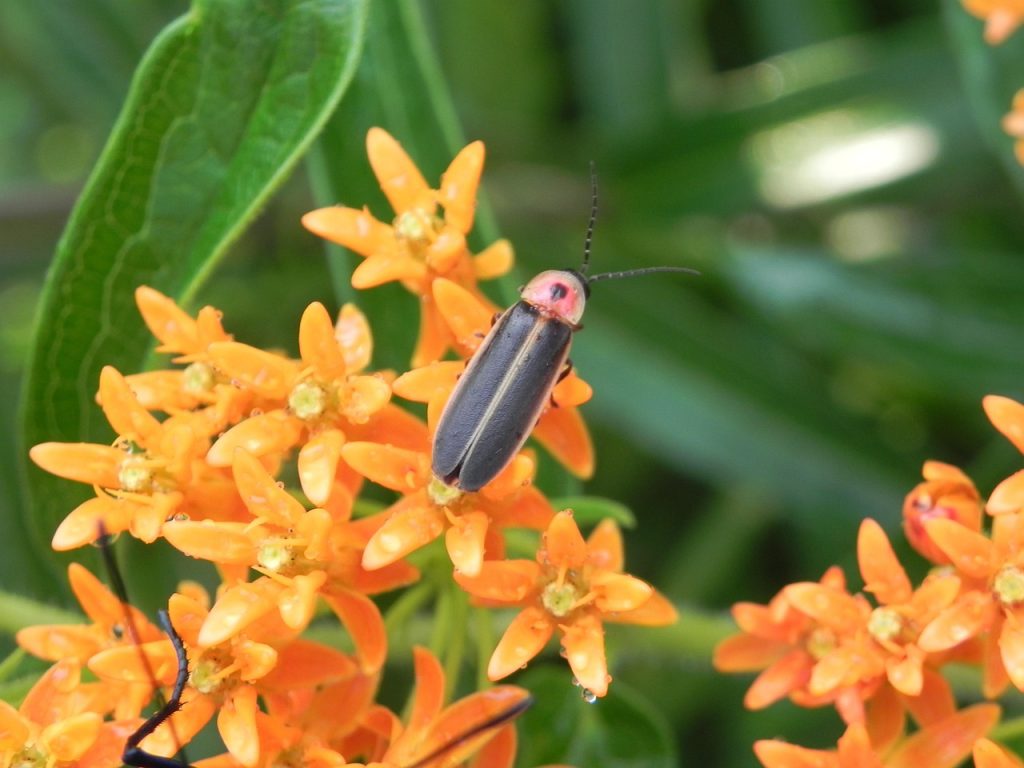
They’re soft-winged beetles with a rare biological trick up their sleeves: the ability to produce their own light. This natural glow, known as bioluminescence, is created in special organs in their abdomens, where chemicals produced by their bodies mix with enzymes, oxygen, and a bit of cellular energy to create that familiar flicker. Scientists believe fireflies control their flashes by regulating how much oxygen flows to these light-producing organs. You might also hear about glowworms, which are often confused with fireflies. Glowworms are either the larvae or wingless adult females of certain firefly species. Like fireflies, they glow, but they don’t have wings. To make things more confusing, there are also glowworms that aren’t related to fireflies at all, despite the name.
Fireflies likely developed their signature glow as a way to ward off predators, but these days it’s mostly about romance. Each species has its own unique flash pattern that helps them attract the right mate. While we usually picture fireflies as glowing specks on warm summer nights, not all of them light up. Some species are active during the day and use scent, rather than light, to find each other. Most male fireflies flash independently, but some take it up a notch and synchronize their flashes with others when gathered in large groups. In North America, two of the most famous synchronizing species are Photinus carolinus, found in the Appalachian Mountains and Great Smoky Mountains National Park, and Photuris frontalis, which lights up places like Congaree National Park right here in South Carolina.
Fireflies are facing challenges as many of their native habitats disappear due to rapid changes in our lands and watersheds.
Because there hasn’t been much systematic monitoring, it’s hard to know exactly how much their populations are declining. Adult fireflies live only a few weeks, but some spend up to two years in their larval stage, hidden in dirt, leaf litter, and old wood. This means protecting their larval habitats is especially important for their survival.
Article by Master Naturalist, Kathleen McMenamin at the Island Recreation Center